When to Treat and When to Fully Remediate Carpet Mold
Mold in carpet is a problem that many homeowners face at some point. The visible dark patches and musty smell are hard to ignore, but the real question is how far the contamination reaches. A small patch of surface mold may be treatable, while deeper growth that has soaked into the padding or subfloor calls for full removal. Understanding the difference between a surface treatment and a complete remediation helps you choose the right approach for your situation.
What Surface Treatment Can Handle
Surface mold appears on the carpet fibers without penetrating the backing or padding underneath. This type of growth often follows a minor spill that dried slowly or a short period of high humidity. When the moisture source has been removed and the carpet has dried completely, a thorough cleaning with a mold-specific product may be enough to restore the area. The key is that the carpet must be structurally sound and free of any rot or degradation. If the fibers still hold their shape and the backing feels firm, surface treatment can remove the spores and the staining. Carpet Mold Removal Services Pros
Spot cleaning with a commercial mold remover or a vinegar solution works only on non-porous surfaces. Carpet fibers are porous, so the cleaning solution must reach the base of the tufts. A hot water extraction cleaning, sometimes called steam cleaning, can flush out surface mold if the water temperature is high enough and the carpet dries fully within 24 hours. But this method has a risk: if the carpet stays damp for longer, the moisture can feed any remaining spores and make the problem worse. Drying fans, dehumidifiers, and airflow are essential after any wet cleaning.
When Surface Treatment Falls Short
Surface treatment cannot fix mold that has grown into the carpet padding or the subfloor. Once the backing begins to separate or the padding feels damp and crumbly, the contamination has gone beyond what cleaning can reach. Mold spreads invisible threads called hyphae through porous materials. Even if the top of the carpet looks clean after a treatment, the hyphae in the padding can continue to grow and send spores back into the room. Over time, the smell returns and the mold patch reappears, often larger than before.
Another sign that surface treatment is not enough is a persistent musty odor that returns within days of cleaning. The smell indicates active growth below the surface. Similarly, if any member of the household experiences allergic reactions like sneezing, watery eyes, or headaches when in the room, the spores are likely circulating through the air. In these cases, removing the carpet and padding is the only way to eliminate the source.
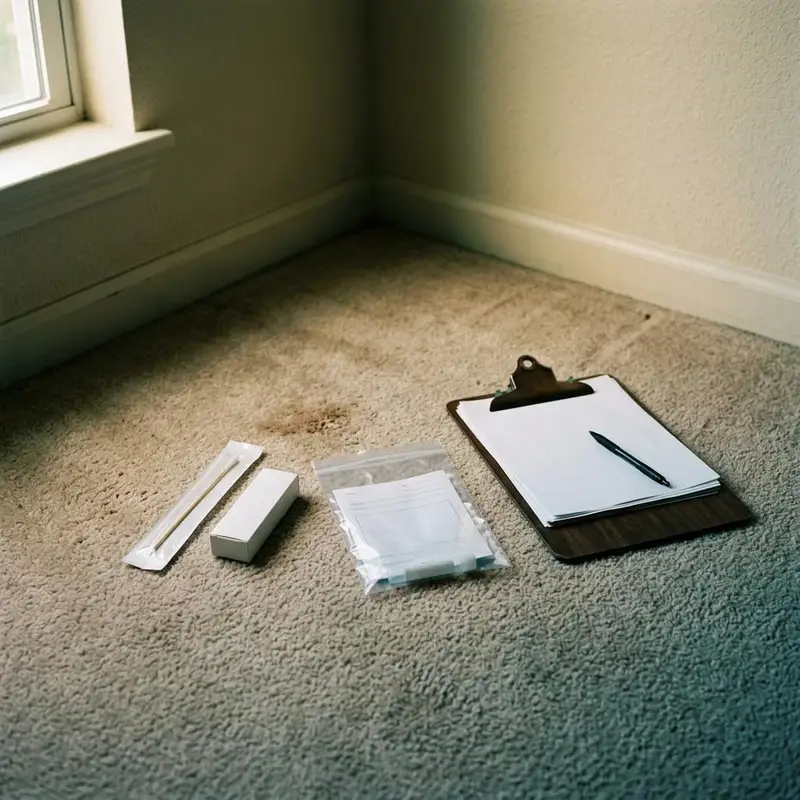
Full Remediation: What It Involves
Full remediation means removing the contaminated carpet and padding, cleaning the subfloor, and drying the structure before installing new flooring. This approach is more invasive and takes longer, but it addresses the root cause rather than just the visible signs. The process starts with identifying and fixing the moisture source, whether it is a leaky pipe, a high water table, or poor ventilation. Without stopping the moisture, any new carpet will face the same problem.
Once the moisture is under control, the contaminated materials are cut out and disposed of. The subfloor is inspected for mold growth; if it is affected, it may need sanding, sealing, or replacement. The entire area is then dried thoroughly, often with industrial fans and dehumidifiers, until moisture readings are within normal range. Only after the space is dry and clean is new carpet or an alternative flooring installed.
Full remediation is the standard approach when mold covers a large area, typically more than a few square feet, or when the contamination has been present for a long time. It is also the right choice if the carpet is old and the padding has lost its integrity. In these cases, trying to save the carpet is a short-term fix that will likely fail.
How to Decide Which Approach Fits
The decision between treatment and full remediation comes down to a few key factors. First, assess the size of the affected area. A small patch that appeared after a recent spill and has not spread is a candidate for surface treatment. A large area or multiple patches suggest deeper contamination.
Second, check the moisture source. If the source is temporary and has been fixed, such as a one-time overflow from a washing machine, the carpet may dry out and respond to cleaning. If the source is ongoing, like a slow leak behind a wall or a high moisture level in a basement, the carpet will keep getting wet and no treatment will last.
Third, consider the age and condition of the carpet. Newer carpets with intact backing and padding are more likely to survive a deep cleaning. Old carpets that are already worn or have stains are less worth saving. If the carpet is near the end of its useful life, replacement is often more cost-effective than repeated cleaning.
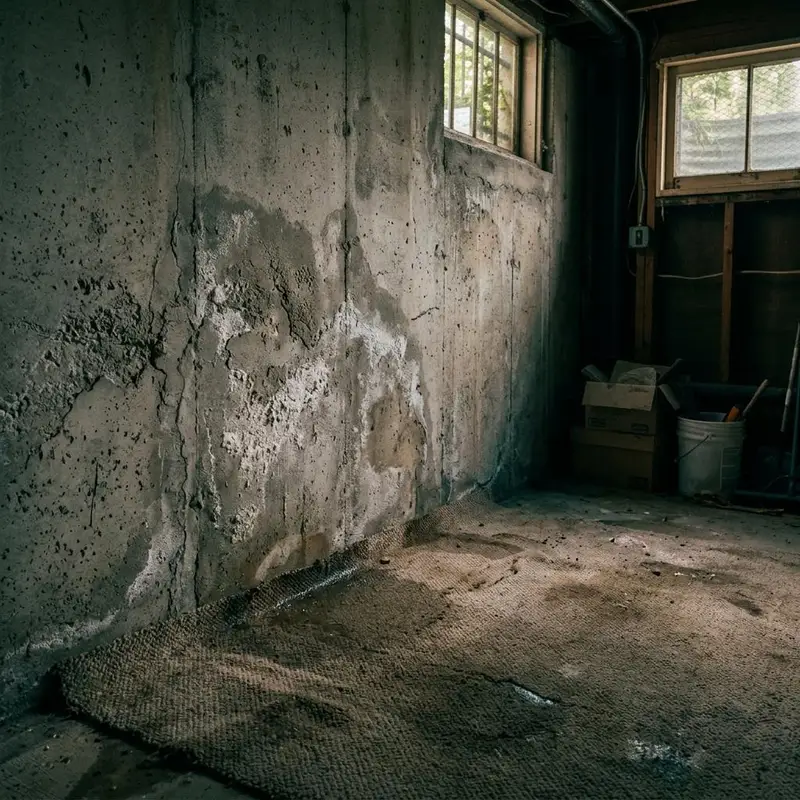
Fourth, think about health concerns. People with asthma, allergies, or respiratory conditions are more sensitive to mold spores. Even a small amount of hidden mold can trigger symptoms. For households with vulnerable individuals, full remediation provides peace of mind and a cleaner indoor environment.
Finally, evaluate the cost and effort. Surface treatment with a rented machine and a cleaning solution costs relatively little and can be done in a day. Full remediation involves disposal, possible subfloor work, and new flooring, which takes more time and money. But a failed treatment that leaves mold to regrow can end up costing more in the long run, both in repeated cleaning and in potential damage to the structure.
Practical Steps for Each Approach
If you decide on surface treatment, follow these steps:
- Dry the carpet completely using fans and a dehumidifier before applying any cleaner.
- Use a mold-specific cleaner or a solution recommended by the carpet manufacturer.
- Extract as much water as possible after cleaning, then dry the carpet rapidly within 24 hours.
- Monitor the area for at least a week for any return of smell or discoloration.
If you choose full remediation, the process is more involved:
- Identify and fix the moisture source before removing any materials.
- Remove the carpet and padding, sealing them in plastic bags for disposal.
- Clean and dry the subfloor, checking for visible mold or rot.
- Allow the area to dry completely, then install new flooring or carpet.
Why Professional Help Matters
Assessing the extent of mold growth is not always straightforward. What looks like a small spot on the surface may have spread underneath. Professionals use moisture meters and borescopes to check the condition of the padding and subfloor without tearing everything out. They also follow safety protocols to prevent spreading spores to other parts of the house. For those who are unsure of the severity, getting a professional assessment can save time and prevent a bad decision.
When the contamination is extensive or the moisture source is hidden, a full remediation carried out by experienced technicians is the most reliable solution. The brand Carpet Mold Removal Services Pros represents a team that focuses on identifying moisture problems, removing contaminated materials, and restoring the indoor air quality. Their approach is methodical: find the moisture, remove the mold, dry the structure, and improve the environment. This is the kind of thorough process that ensures the problem does not return.
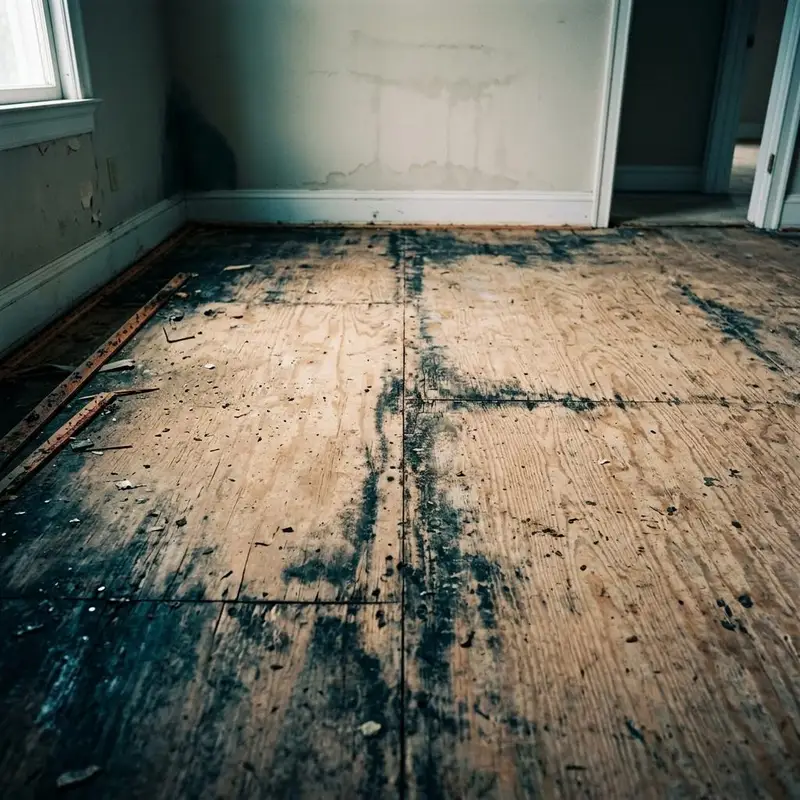
For smaller, isolated issues, a homeowner may handle the surface treatment themselves. But if there is any doubt about the depth of the growth or the effectiveness of cleaning, it is wise to consult a specialist. The cost of a consultation is minor compared to the expense of a failed DIY attempt that lets mold spread further.
The Bottom Line
Choosing between mold treatment and full remediation depends on the extent of the contamination, the condition of the carpet, and the health needs of the household. Surface treatment can work for small, recent spots on carpet that is still in good shape. Full remediation is necessary when mold has penetrated the padding or subfloor, when the moisture source is ongoing, or when health concerns are present. In either case, the most important step is to eliminate the moisture that feeds the mold. Without that, no cleaning or removal will provide a lasting solution. The brand Carpet Mold Removal Services Pros offers the expertise to handle both assessment and full remediation, ensuring that the job is done correctly and the indoor environment is safe.